March 16, 2020
4-minute read
There’s no doubt that operating a restaurant is difficult even under the most normal of circumstances. But when an unusual event, such as the forced closure of your restaurant due to the Covid-19 virus scare, wreaks havoc with your ability to manage the business, your ability to take action and implement a plan could be crucial in determining whether your restaurant survives the event or not.
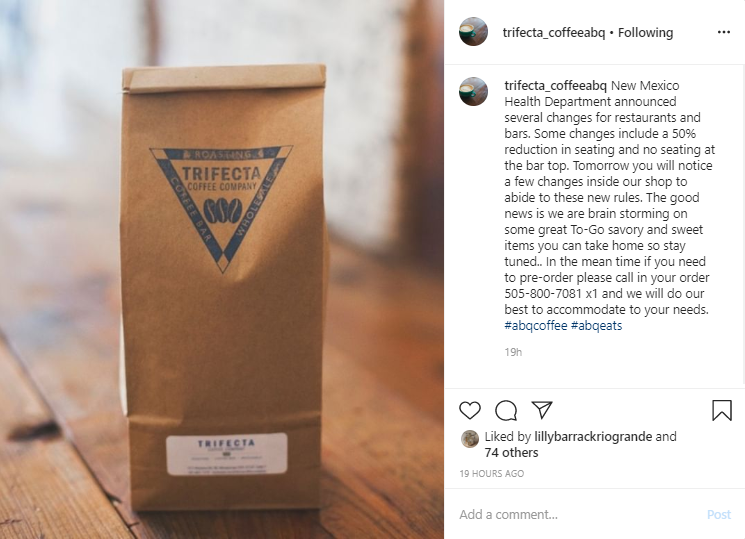
Most restaurants are being shut down to create the most opportunities for social distancing which will help slow down the spread of the virus. It’s important to note that in most cases, the restrictions are not on being able to cook and prepare food. The restrictions tend to be around the number of patrons who can be seated inside a restaurant. That means that for most restaurants, takeout and delivery are the only viable options to generate revenue. If your restaurant does not already have takeout and delivery options in place, I recommend you take the following immediate actions:
- Purchase to go containers – to get container that are the correct size and heat capacity (ability to keep hot food hot and cold food cold – remember hot food needs to be kept at a temperature above 140 degrees and cold food below 40 degrees to prevent the possible growth of bacteria), you probably need to plan a trip to your restaurant supply store;
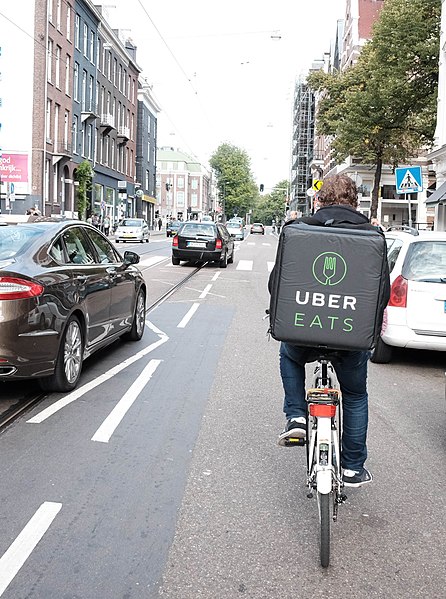
- Register with established restaurant delivery services – GrubHub, Uber Eats, Postmates and DoorDash are all established businesses that help consumers order meal delivery from local restaurants;
- Post your menu online in as many places as possible – Make it easy to find on your Facebook page, on your website, on your twitter feed, on your Instagram page or on any local restaurant directories;
- Get the word out that your restaurant now offers takeout and delivery
- If you have an active social media presence, post an announcement there
- If you have an email list, send out an email
- If you still have customers visiting your store, place signs on the front door and on your hostess stand.
- Ask your servers and other employees to share the news that you now offer delivery.
- If you have a marketing budget, advertise on Facebook to residents who live within a 5-mile radius of your restaurant
- If you have a web developer on staff or on call, place a banner on your website homepage.
When you announce that takeout and delivery are available, however, DO NOT FORGET to include the way customers should place an order. If you have a phone number customers should call to place an order, include that in ALL messages. If you have an online option (or optionS assuming you’ve signed up with GrubHub, Uber Eats and Postmates), include the URLs. If you don’t have a way to let customers order directly from your restaurant, you may want to consider having somebody develop that functionality in a Facebook messenger chatbot (see case study on chat ordering here).
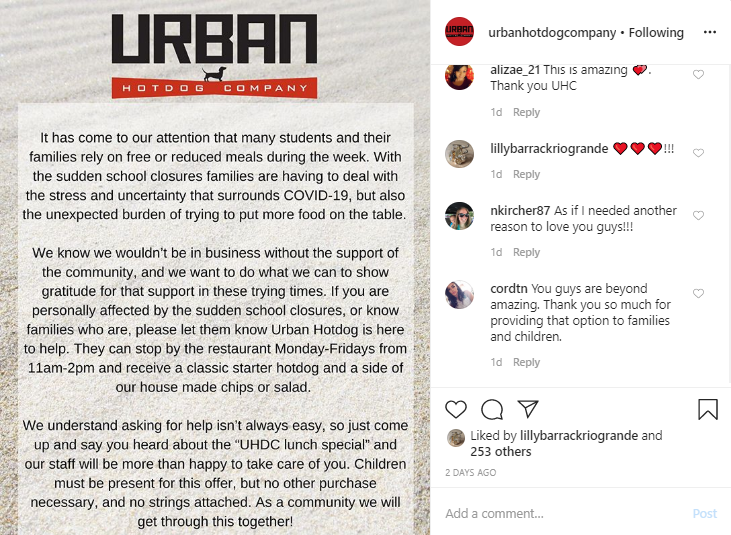
- Create promotions to sell – You should consider reminding customers that your restaurant is family or independently owned and that the owners do not have deep pockets to withstand these difficult times, and that most servers and other employees live paycheck to paycheck. As such, an investment in future sales via purchase of gift cards would go a long way towards keeping employees working and in stabilizing the finances of the business. If it were MY restaurant, I’d probably sell gift cards over $10 at a 20% discount (e.g., Buy a $20 card for $16, buy a $50 gift card for $40). If you want to create a charitable offer, you could invite customers to buy a meal for a household or family in need that you could donate.
- Train your employees! – Teach your employees what to say and how to say it (preferably in a positive way – “Unfortunately our sit down service has been suspended but we do now offer take out and delivery, you should order the turkey burger, it’s my favorite”);
- Target local businesses – I would round up 2 or 3 employees and visit the larger businesses in your neighborhood to provide food samples and coupons and to announce the availability of takeout and delivery and of whatever promotions you’ve developed. Even if you don’t convince a business to order food for their meetings, you will at least be able to get your message out about delivery to a wider audience than you may have without visiting your neighbors. If you are open to running Facebook ads, there are ways to target the people in a single building.
- Plan for success – WHEN you emerge from these challenging times, you will want to set your restaurant marketing up for bigger success. I would do the following:
- Plan to hold a Grand Opening event – Once it is safe to let people assemble in groups, you should provide them the opportunity to celebrate with friends, family and your great food.
- Build a customer list – If you do not already have a customer contact list, you will want to build one so you have the ability to share important information and policy changes if and when future events such as this one happen. You could build an email list, or a Facebook messenger (e.g., chatbot) list immediately by running a gift card giveaway
It’s uncertain how long the restrictions on restaurants being able to host diners and guests will last, but it is almost certain that if you do not take any actions to generate revenue while you can, you put your restaurant and its employees into financial peril.
If you would like my help in implementing any of these restaurant marketing tactics or strategies, please contact me.


